
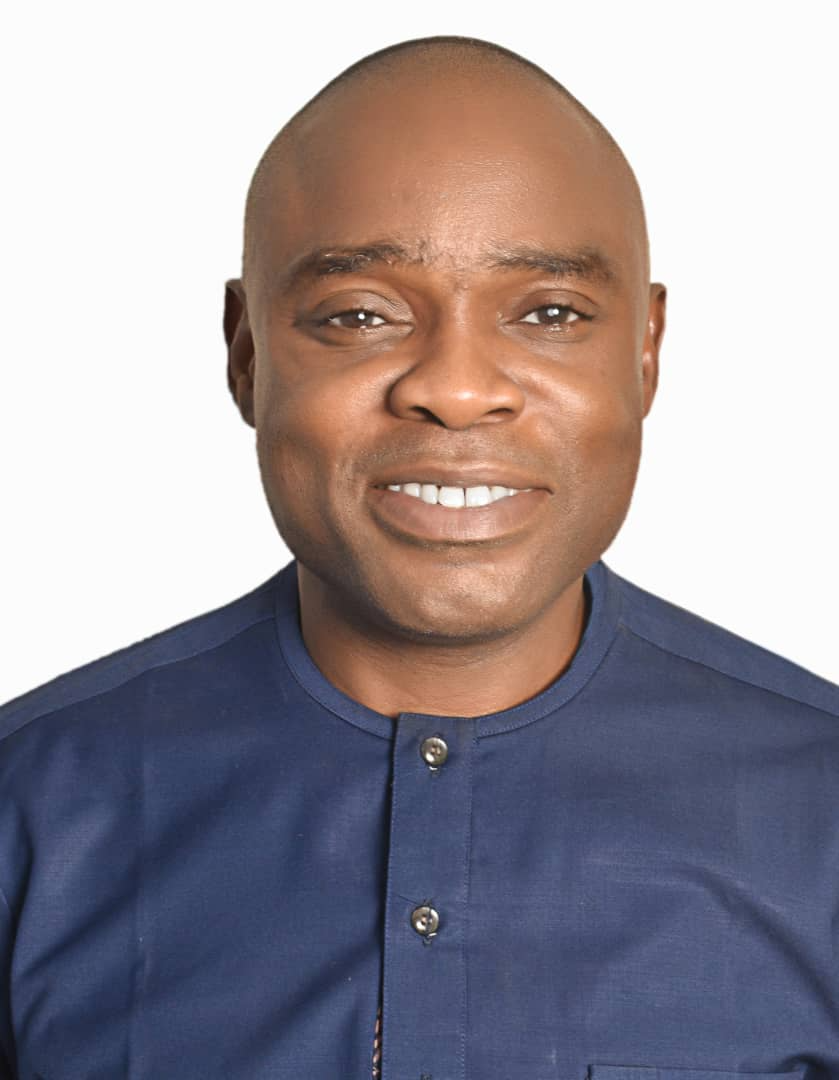
Nigeria's history making mobility team, the Arochukwu Solar Eagles Team led by yours truly and powered by His Royal Majesty (HRM) Dr. Eberechukwu Oji, the Paramount Ruler of Arochukwu Kingdom in Abia State are on the journey to the Bridgestone World Solar Challenge (BWSC) 2027. Just like Alex Onyia's Mathematics and Science Olympiad trio team which achieved Gold medal success in Europe weeks back, the Arochukwu Solar Eagles team looks to push the limits with their car "The Heuletrix" at the world's foremost solar car competition which turns 40years in 2027. From next year August 22nd-29th, the world will set it's sights on this mobility test of technological capacity building and race to finish line which continues to shape sustainable R&D in transportation from the various teams competing using clean energy as the race tests range anxiety on a whole new level across the 3,000 kilometres course from Darwin to Adelaide.
Away from racing competitions, Nigeria is pushing the reset button on how it's over 230 million people and goods move across it's over $316.34 billion (approximately ₦372.82 trillion following recent GDP rebasing). From electric buses for federal workers in Abuja to pilot electric corridors for trucks leaving Apapa Port, the country’s Transport Electrification Road Map is moving from policy documents into real vehicles on the road spectrum. The goal is simple: cut costs, cut emissions, and build a transport system that works even when petrol prices spike especially given the removal of her subsidy regime by the current since May 2023 by President Bola Ahmed Tinubu's APC Government.
Why it is happening
Three pressures converged at a singularity and they are
1. Fuel cost and economic relief
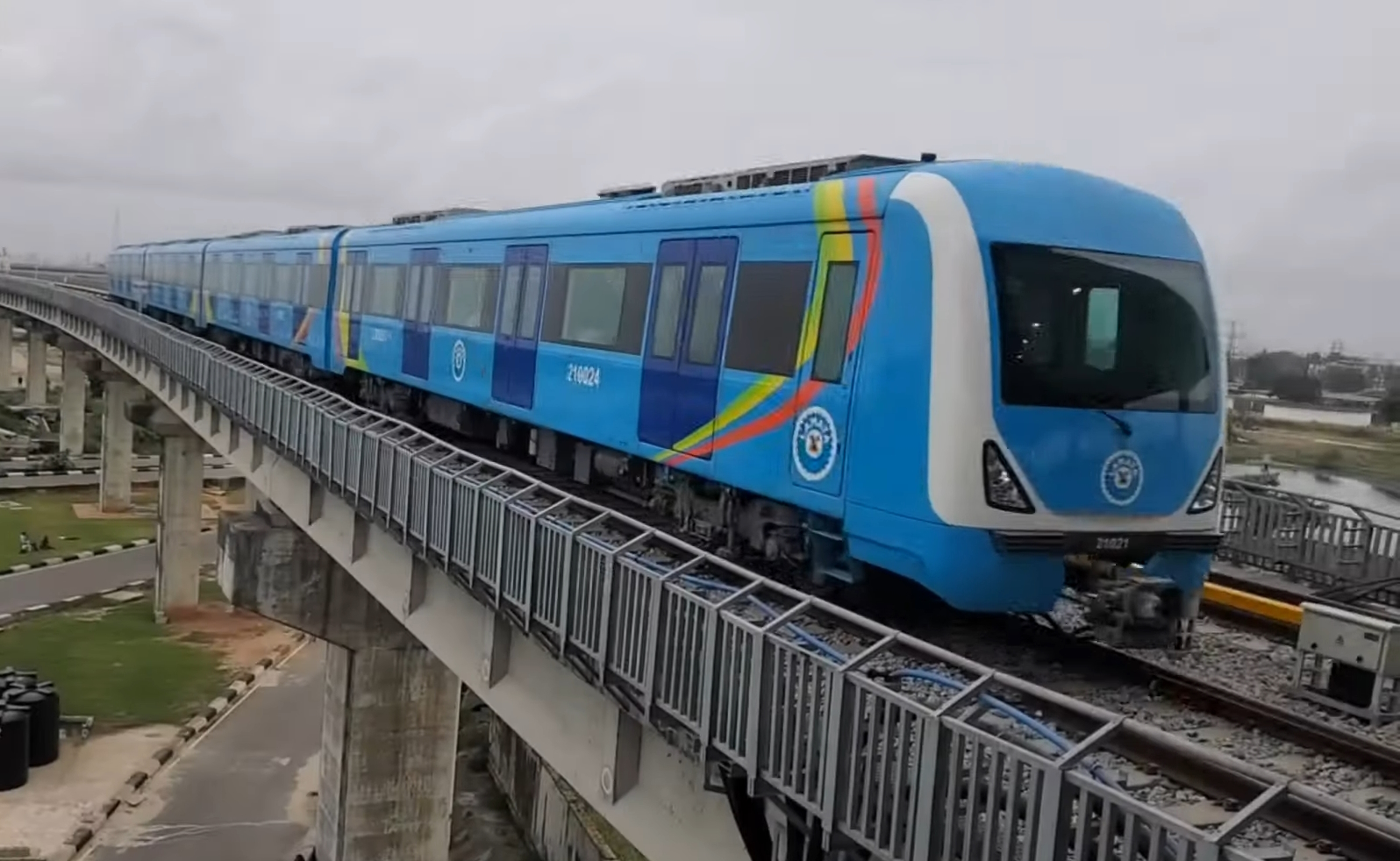
The removal of petrol subsidy in 2023 sent transport fares soaring. For millions of Nigerians, commuting now takes a bigger share of income. The government responded with the Presidential Initiative on Compressed Natural Gas, PiCNG, and a parallel push for Electric Vehicles. In August 2026 the government unveiled 40 electric buses in Abuja, with PiCNG’s chairman saying the focus is “cheaper and cleaner transportation” and that “is what matters is the ordinary Nigerian whose transportation costs must come down”. Another 100 electric buses are being rolled out for civil servants, each able to carry 200 passengers and cover 200km on a full charge. The Africa Energy Fund (AEF) and Nestar Energies President - HRM Dr. Eberechukwu Oji working alongside Heureka Ent. Limited and Chinese automobile makers having been working to bring CNG and EVs manufacturing into the Nigeria to add value to this new policy.
2. Climate commitments and energy security
Transport accounts for over 30% of Nigeria’s total emissions. Nigeria’s Energy Transition Plan, launched in 2022, set a bold target for EVs to reach 20% of all vehicles by 2030, as part of the broader net-zero by 2060 goal. Earlier targets even aimed for 30% of vehicles electric by 2025. With fewer than 500 EVs on Nigerian roads as of recent counts, the roadmap is an attempt to close that gap from policy to actualisation.
3. Logistics inefficiencies
Nigeria loses an estimated $8 billion annually to logistical inefficiencies. Ports like Apapa and Tin Can Island are choked with diesel trucks and generators. A white paper backed by government and businesses in the sector argues electrifying ports and trucking can be achieved before 2030, but it requires coordinated planning and a reliable grid. The Lekki Deep Sea Port, with its rail and road links, is already being cited as a model for multimodal, lower-emission freight and key infrastructure development enabling evolution of the transport and others sectors.
All the above is happening because Nigerians need cheaper transport now, and because Nigeria needs a cleaner, more efficient system for the next 30 years and beyond 2100 when her population with be more than double.
Why it is needed
Affordability
Transport costs are a daily pain point. Electric and CNG buses are positioned as a direct response. PiCNG’s messaging has been “clean energy, affordable energy, available energy”. For civil servants and larger populace, it offers a dependable staff and commercial bus system meant to reduce daily commuting spend.
Energy and Emissions
The grid is unstable, but Nigeria has sunlight and gas. Electrification allows the country to lean on renewables and domestic gas instead of imported petrol and diesel, inclusive of a look towards introducing the very reliable Small Medium Reactors (SMR) to power the economy with nuclear capacity options as is being proposed by the Africa Energy Fund (AEF) in partnership with GI International of South Korea. Charging stations across cities and at strategic corridors on the road spectrum are part of building that ecosystem and as has been expressed by Eric Masaba of TEXXI, efficient transport systems applying geolocation of social networks enables safer, sustainable road use returns on investment for all whilst growing revenue streams for all stakeholders. Unfortunately the infringed TEXXI patent remains a testament to a defining framework beyond transportation and mobility application since it's 2006 conception predating most others.
Industrial Opportunity
The global EV market was valued at $384.65 billion in 2022 and is projected to hit $1.57 trillion by 2030. Nigeria doesn’t want to import the entire future and it does not have to with innovative Government support for private sector intervention. Local assembly, component manufacturing, and jobs are central. Assemblers like Innoson, Jet Motors, and others have already set up CNG conversion plants. Metropolitan Electric argues Nigeria should prioritize high-mileage vehicles — buses, logistics fleets, motorcycles, tricycles, because their intensive use makes investments pay back faster.
Infrastructure Modernization
The current system is mono-modal and truck-dependent. Electrification forces upgrades to power, ports, and rail, with knock-on benefits for other sectors.
How it will happen
The Nigeria roadmap spectrum is not one big bang. It’s phased, and it starts where impact is fastest.
Phase 1: 2025-2027 – Lays the foundations
- Ports: Electrify key terminals at Apapa, Tin Can Island, and Onne, which replaces diesel equipment with electric ones. Add on-site solar and battery storage infrastructure.
- Power: Integrate port and freight energy needs into national grid plans. Support off-site renewables and upgrade transmission.
- Trucking: Launch pilot electric corridors. Install shared charging points at truck parks and depots.
Phase 2: 2028-2032 – Scale and integrate
- Expand port electrification and embed zero-emissions standards in national port strategy.
- Scale solar and storage, develop regional clean energy clusters, and upgrade grids through PPPs.
- Roll electric trucking corridors onto national routes and foster a domestic clean-logistics industry.
The President Tinubu led government is starting with public fleets. PiCNG has already deployed thousands of CNG buses and tricycles, and now electric buses. The civil servant electric bus programme is a pilot that will expand to Federal Secretariats nationwide, with full deployment of 100 buses expected by December 2026.
Policy and financing tools
Experts at the Abuja EV Stakeholders Roundtable in 2025 called for three things: policy shifts to attract private investment, viable financing in a high-cost grid environment, and technical frameworks for a resilient charging network.
Metropolitan Electric’s “Nigeria EV Compact” proposes a 10-year EV roadmap under one coordinating body, anchor demand through public fleet procurement, finance “kilometres not cars” via leasing, treat charging as regulated infrastructure, and reward local production, R&D, and jobs. The idea is to build a “bankable market” not permanent subsidies.
Infrastructure reality check
Charging is the bottleneck and stakeholders say Nigeria urgently needs a clear, scalable EV charging roadmap. PiCNG plans to power charging stations with CNG to deal with grid gaps. NADDC reports EV infrastructure deployed in about 16 universities. Metropolitan Electric has deployed over 6MW of charging across Lagos, Abuja, Abeokuta, Port Harcourt and Kaduna.
Rail and multimodal links
Rail modernization is part of the plan, with ongoing rehabilitation, expansion from narrow to standard gauge, intermodal links with ports, and long-term electrification. Projects like Lagos-Kano and Port Harcourt-Maiduguri are meant to pull cargo off roads.
Who is involved
Federal Government
- The Presidency / PiCNG: Leading the push for CNG and EVs, with over $2bn in investment commitments recorded and a mandate to deliver cheaper transport.
- NADDC - National Automotive Design and Development Council: Coordinating auto policy, local assembly, and EV rollout. DG Oluwemimo Osanipin has spoken on infrastructure in universities and the phased bus deployment.
- Ministry of Industry, Trade and Investment: Minister John Owan Enoh is championing the electric bus programme as linking welfare, productivity and industrialisation.
- Energy Transition Office: Framing e-mobility as key to sustainable future and energy security.
State and development partners
- ACCI Policy Centre, Clean Technology Hub, Surge Africa: Convened the Abuja EV Roundtable to produce policy recommendations and a shared outlook for the next decade.
- NPA and port operators: Central to port electrification at Apapa, Tin Can, Onne.
Private sector
- Metropolitan Electric: Has supplied and maintained 200+ EVs since 2023, with 150 more ordered.
- Local assemblers: Innoson, Jet Motors, R.T. Briscoe, Toyota Nigeria are building conversion and assembly capacity.
- Investors and financiers: Needed for charging networks, leasing, and grid upgrades. The roundtable stressed no single institution can drive it alone and as long as the Tinubu Government is not just paying lip service to this key sector, Nigeria can achieve palpabl cheap and sustainable transportation goals for all.
Workforce and institutions
Training is flagged as critical. PiCNG reports training 6,000 Nigerians including military personnel and women entrepreneurs. Universities are being used as early ecosystem hubs.
Nigeria’s roadmap on the surface looks pragmatic. It doesn’t try to copy a private-car-led transition like Europe. Instead it starts with buses, trucks, and ports — vehicles that move the most people and goods per naira spent. The challenges are real: grid reliability, financing costs, charging gaps, and the need to move from recommendations to implementation. But the pieces will align along the lines of the policy in the National Land Transport Policy, money in the N100 billion earmarked for CNG and electric buses, and hardware already on Abuja roads. If executed properly, the payoff is threefold: lower daily transport costs for Nigerians, a cleaner air and climate profile, and a new domestic industry around EV assembly, charging, and power. The transformation is pitched as achievable before 2030. For that to happen, the next 24 months will be about permits, power, and pilots — turning the white paper into working charging points, trained technicians, and buses that show up on time.
Editorial note
The World Solar Challenge route is approximately 3,000 kilometres. The distance unit has been corrected from the supplied text. This contributed opinion piece reflects the author’s perspective.
Contributed opinion article supplied to Africa Rising TV by His Excellency Hon. Ebube Ebisike George. The author describes his involvement in the Arochukwu Solar Eagles team.