
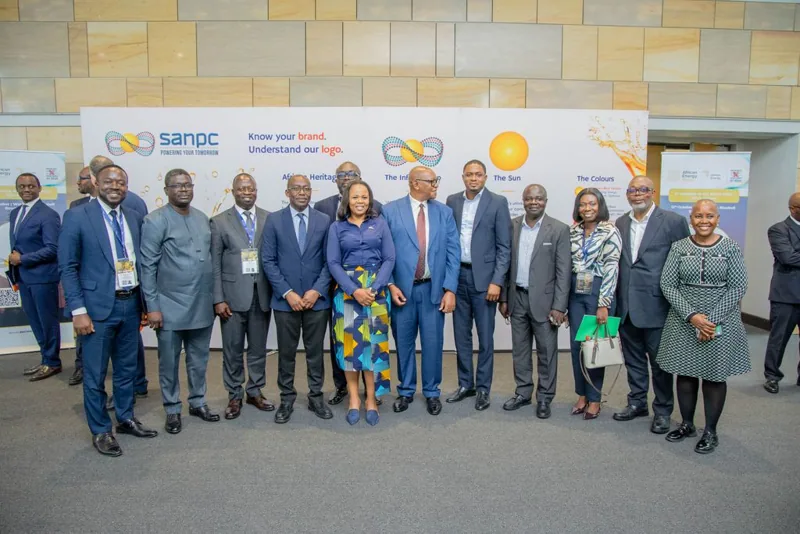
Cape Town once again became a meeting point for Africa’s energy ambitions as African Energy Week (AEW) 2026 brought together governments, investors, energy companies, financiers, development institutions and industry leaders from across Africa and the world.
Held from 12–16 October at the Cape Town International Convention Centre, AEW 2026 was convened under the theme “Invest in African Energies: Affordable and Abundant Energy Additions.” The scale of the gathering reflected the growing importance of Africa’s energy sector, with more than 10,000 delegates from over 100 countries expected to participate.
But beyond the numbers, what stood out for me was the increasingly clear shift from conversation to Execution.
Africa needs energy — and it needs investment
Africa's energy challenge remains one of the continent's greatest development challenges. Reliable and affordable energy is fundamental to industrialisation, manufacturing, digital infrastructure, mining, agriculture, job creation and the growth of African businesses.
AEW 2026 demonstrated that there is significant international interest in Africa's energy opportunities. The event's Deal Room alone showcased 15 oil, gas and power projects seeking more than US$16 billion in investment, covering upstream projects, infrastructure, downstream facilities and gas-to-power opportunities.
By the middle of the week, the African Energy Chamber was reporting approximately US$10 billion in deals associated with the event, including developments involving Angola, Senegal and Nigeria.
These numbers matter, but the more important question is what happens after the conference.
Can investment translate into productive capacity, jobs, industrial development and broader economic opportunity?
That is where Africa's energy conversation must go next.
Energy security must become economic security
One of the strongest messages emerging from AEW was the relationship between energy security and economic security.
Africa cannot industrialise without sufficient power. It cannot expand manufacturing without reliable energy. It cannot fully realise the potential of critical minerals, data centres, digital infrastructure and new industries without addressing the energy deficit.
This makes investment in oil and gas, natural gas, electricity generation, transmission, renewables and energy infrastructure part of a much bigger development conversation.
The challenge is to build an energy system that is reliable, affordable, diversified and increasingly sustainable, while ensuring that African countries capture more of the economic value generated from their own resources.
From extraction to value creation
For me, one of the most important questions coming out of AEW 2026 is not simply how much energy Africa can produce.
It is:
What can Africa build because it has more energy?
This is the distinction between an extractive economy and a productive economy.
Energy investment should support local manufacturing, processing, infrastructure, technology, skills development and entrepreneurship. It should create opportunities for African companies to participate in supply chains rather than simply supplying raw resources to global markets.
As South African industry voices noted during the week, the opportunity extends beyond extraction. Developing related industries around energy and gas could have a much greater impact on employment and economic growth.
Regional cooperation is becoming increasingly important
Another important takeaway was the need for stronger African cooperation.
African National Oil Companies signed a declaration at AEW supporting direct trade, domestic refining, energy financing, digital cooperation and long-term continental energy security.
This is significant.
Africa's energy future cannot be built entirely through individual national strategies. Cross-border infrastructure, regional power pools, energy trade, financing mechanisms and stronger intra-African business relationships will increasingly determine how effectively the continent can utilise its resources.
The African Continental Free Trade Area provides an important framework, but energy cooperation can become one of the practical engines of deeper continental integration.
The transition debate must remain practical
AEW also reflected the complexity of Africa's energy transition.
The continent faces legitimate pressure to reduce emissions and expand renewable energy, while at the same time millions of Africans still lack reliable access to electricity and many economies require more energy to industrialise.
That tension was visible outside the conference as environmental activists protested against further oil and gas exploration.
The debate should not be reduced to fossil fuels versus renewables.
Africa needs a pragmatic conversation about how to achieve energy security while progressively building cleaner, more resilient energy systems.
The real objective should be an energy transition that does not leave African economies behind.
The value of relationships
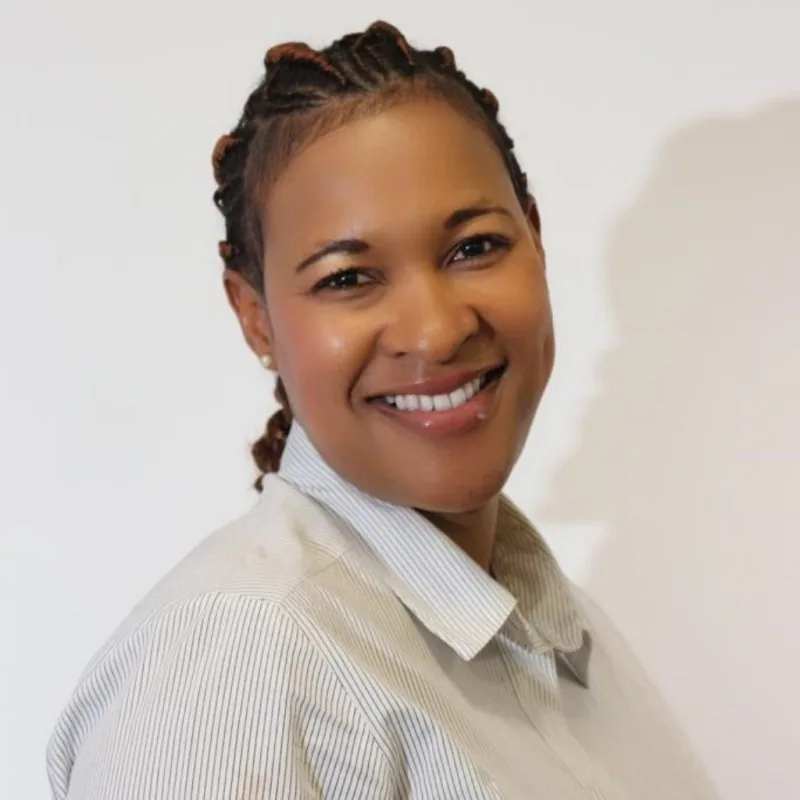
For me personally, AEW 2026 was also a reminder that conferences are ultimately about people and relationships. I was pleased to participate in African Energy Week and to engage with business leaders, investors, professionals, institutions and potential partners from different parts of Africa and the global energy ecosystem.
Some of the most valuable conversations did not happen on the main stage. They happened in meetings, networking sessions, side events, corridors and informal conversations — where ideas began turning into potential partnerships.
I was particularly pleased to participate in the networking opportunities around the week, including the Forvis Mazars Group African Energy Week side event cocktail, which provided an excellent environment for conversations beyond the formal conference programme.
These relationships are important because Africa's opportunities are increasingly interconnected.
What comes next?
The real measure of AEW 2026 will not ultimately be the number of delegates who attended or the number of announcements made.
It will be the projects that reach financial close, the infrastructure that gets built, the businesses that grow, the jobs that are created and the partnerships that continue long after delegates leave Cape Town.
Africa has resources.
Africa has talent.
Africa has markets.
What Africa needs is greater alignment between capital, expertise, technology, policy and execution. That is where I believe the next phase of Africa's energy story will be defined.
I was pleased to be part of the AEW 2026 experience, and I look forward to continuing the conversations, developing new collaborations and building meaningful business relationships across the African and global energy ecosystem.
The conference may be over, but the business conversations are only beginning.
Full article supplied by Tarron Bowers-Chetty via Africa Rising TV.